
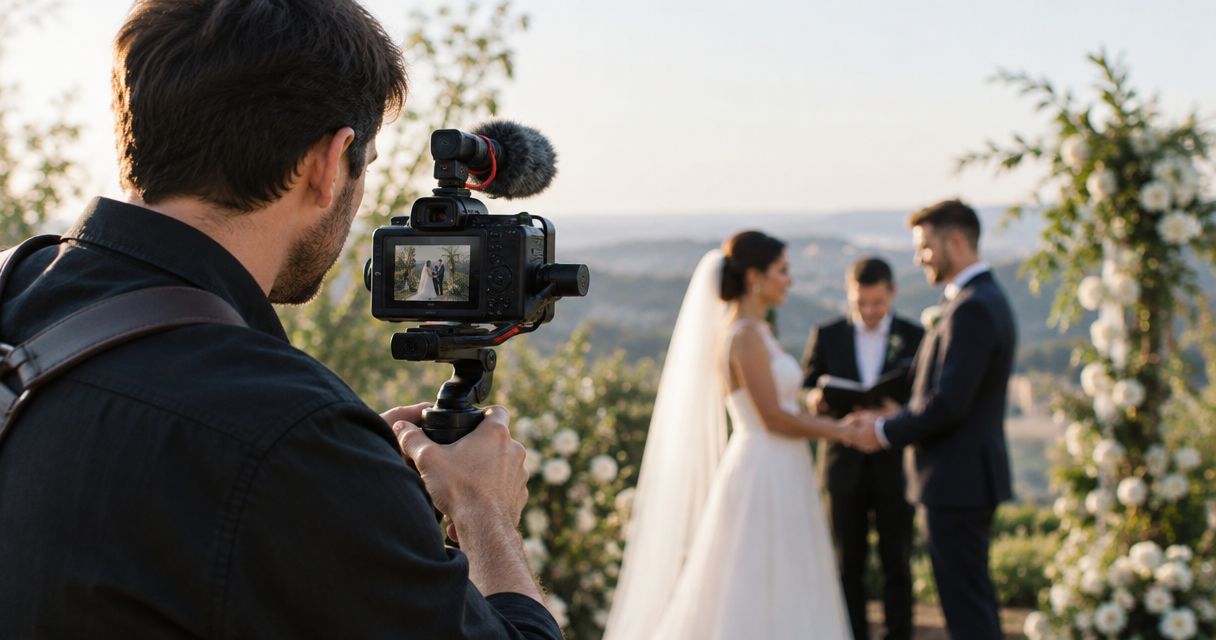
Yes, a wedding photographer can also film video, but one person cannot give photography and video the same attention at the same moment. If you want both vows on film and still photos of reactions during the ceremony, ask who handles each camera before you book. In 2026, the right arrangement depends on which moments you want captured in both formats.
- Yes, a wedding photographer can also film video; solo coverage requires switching between stills and footage.
- A separate photographer and videographer are best for simultaneous photo and video coverage.
- David Suns Weddings is a wedding photography and videography business; confirm who films before booking.
- Ask for a wedding photo and video plan that names the deliverables and covers overlapping moments.
Why this matters
The question is not just whether someone owns a camera that records both. It is whether your ceremony, portraits and reception will be covered the way you expect. If photography and video matter equally to you, settle who does each job before the wedding day.
David Suns Weddings offers wedding photography and videography services. That identifies the services you can ask about, not the number of people assigned to your wedding or what any booking includes. Request a written account of who photographs, who films and what you receive.
Can a wedding photographer also film video?
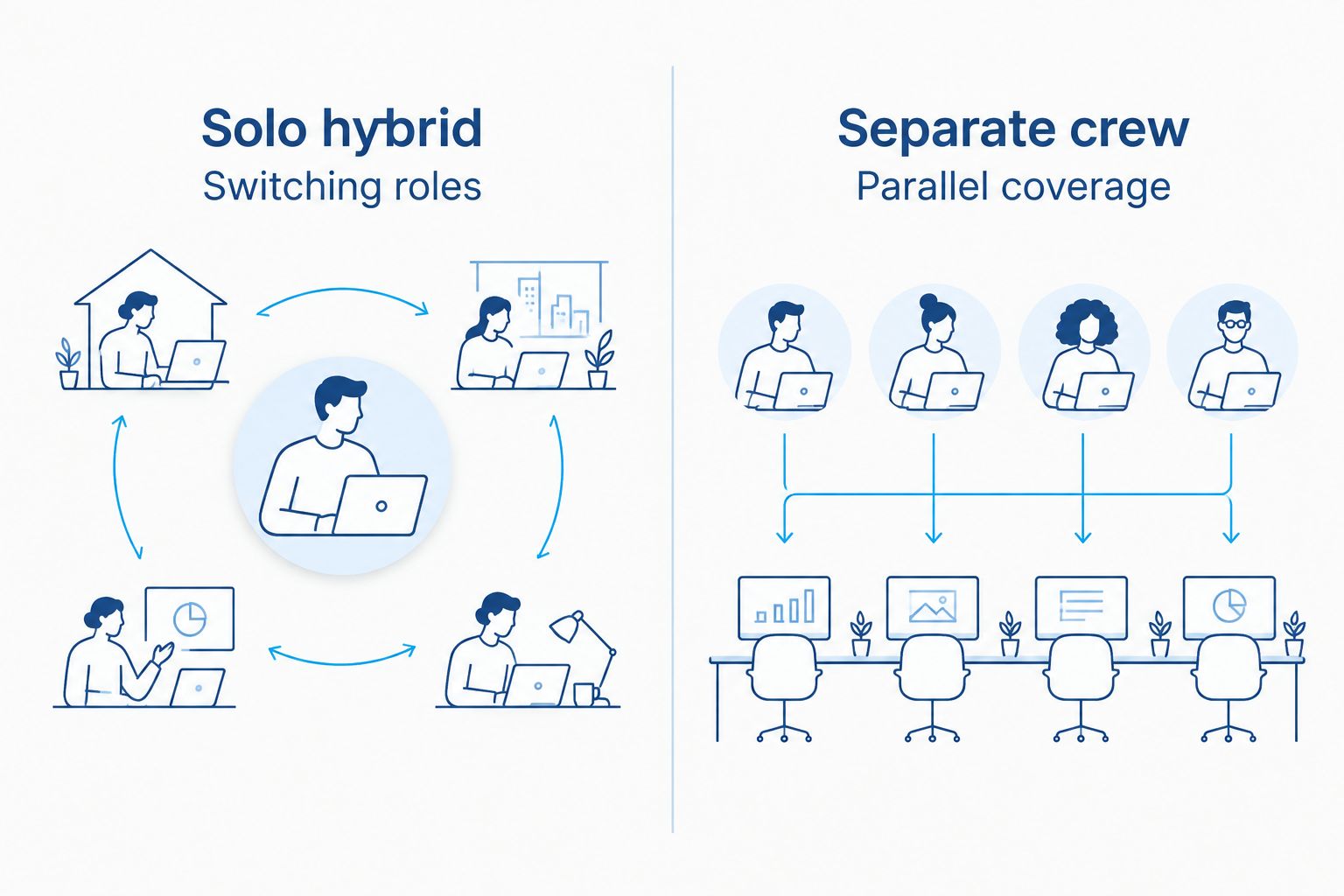
Yes. The practical limit is simultaneous coverage: a solo operator must decide whether to make a still photograph or record video when two moments happen together. A separate photographer and videographer can each stay focused on their assigned format. A photography-and-video business can arrange coverage in different ways, so its service description alone does not tell you which setup applies to your wedding.
| Coverage setup | Best for | Advantage | Limitation to check |
|---|---|---|---|
| Photography only | Couples whose priority is still images | The photographer stays focused on photographs | It does not meet a request for a wedding film |
| Solo hybrid coverage | Couples who want selected stills and selected clips | One person handles both formats | Switching roles can leave overlapping moments uncovered in one format |
| Separate photographer and videographer | Couples who want photos and footage of the same major moments | Each person can focus on one format | You need a clear plan for where each person will stand and what each will capture |
These are coverage arrangements, not named packages or promises from any provider. Ask what your chosen arrangement delivers rather than assuming that offering both services means both will be recorded throughout the day.
A photographer who records a few clips between portraits is doing something different from a videographer assigned to capture the ceremony. Both approaches have a place. They answer different requests, and the distinction should appear in the plan you approve.
What changes when one person shoots both?
A solo photographer-videographer has to divide attention. During a first look, they can make a photograph, record the exchange or alternate between the two. Alternating works when you are content with selected material in each format. It does not produce an uninterrupted video record while that same person continually photographs the moment.
The distinction becomes sharper during events that cannot be repeated. Think through your ceremony entrance, vows and reactions from guests. If your priority is continuous footage of the vows, ask who keeps the video camera recording and who makes the still images you also want. Do not let a general promise of photo and video coverage stand in for that answer.
For portraits, the trade-off is different. You can pause and make room for both a still photograph and a short filmed sequence. That flexibility does not extend to every candid exchange or ceremony moment. Your plan should separate moments you can stage from moments that happen once.
A second camera does not automatically solve the problem. Ask who operates it, whether audio is being recorded and how the footage will be used. A camera left recording a fixed view has a different purpose from a person following an exchange. Neither should be described simply as full video coverage without explaining the result.
How do you decide what coverage to request?
- Name the moments that need both formats. Write down the events for which you want a photograph and footage, such as your entrance, vows or first dance. If a moment only needs one format, say so.
- Ask who is responsible for each format. Get the role assignment for the moments on your list. If one person handles both, ask when that person switches from stills to video.
- Define the finished deliverables. Ask whether the video deliverable is selected clips, an edited film or a longer recording. Ask separately what photographic coverage means for the same events.
- Check the sound plan. If you want to hear vows or speeches, ask how that audio will be captured. Attractive footage without the words you wanted is not a substitute for a recording of those words.
- Review the timeline together. Mark events that happen close together or in different places. Decide which format takes priority when the coverage team cannot be in both places.
- Put the decisions in writing. The person filming, the events covered and the deliverables should match what you agree to book. Refer back to that account when plans change.
A wedding video shot list helps turn a broad request for video into specific moments and outcomes. Keep the list focused on what matters to you; it should clarify priorities rather than promise that every interaction will be captured.
Why photo and video coverage varies
- Simultaneous events: If portraits and guest interactions take place at the same time, one operator must choose where to be. Separate roles create more room to cover both.
- Your video goal: A handful of clips, an edited film and a continuous ceremony recording call for different plans. Name the result you want before discussing cameras.
- Audio needs: Silent footage of a speech and footage with intelligible speech are not interchangeable. Ask for an audio plan when words matter.
- Venue rules: Confirm where cameras can be placed and whether filming is permitted during the parts of the ceremony you want recorded. Your venue or officiant can answer restrictions that a service description cannot.
- The day’s timeline: Back-to-back events leave less time for one person to change roles or positions. Share your schedule before accepting a coverage plan.
- Assigned people: A business that offers photography and videography has not necessarily promised separate operators for your date. Confirm assignments in the booking details.
Use those factors to assess any proposal. A description that says photo and video are available does not establish who records your vows, whether guest reactions are photographed at the same time or what finished video you will receive.
Can one person photograph and film the wedding ceremony?
Yes, one person can photograph and film a ceremony, but they must set priorities when stills and footage compete for attention. If you want continuous ceremony video and photographs throughout, request a plan that explains how both will be captured. Do not treat occasional clips as the same deliverable as a ceremony recording.
Tell the provider which matters more if a choice has to be made. You might prioritize uninterrupted footage of the vows, then still portraits after the ceremony. Another couple might prioritize photographs of every key exchange and ask only for selected clips. Neither preference is wrong; an unstated preference is the problem.
Ask to see work that matches the coverage arrangement being proposed. A sample film made with separate operators does not demonstrate what one operator will deliver while also taking photographs. Judge the proposed setup against examples produced under a comparable setup, and ask which person did each job.
Is a photographer-videographer the same as a photo and video team?
No. A photographer-videographer can mean one person doing both jobs; a photo and video team means distinct roles when separate people are assigned. The terms on a website do not establish staffing. Ask for the actual arrangement attached to your booking.
David Suns Weddings is best for couples who want to discuss wedding photography and videography with one business, provided they confirm who handles each format. That is a reason to start a conversation, not an assertion that every David Suns Weddings booking includes separate operators or a specific film.
Ask a direct question: who will be photographing while the vows are filmed? The answer reveals more than a list of equipment. Follow it with a request to identify the video deliverable and the photographic coverage for the ceremony.
Should you hire a separate videographer?
Hire a separate videographer when video is a priority and you want a person focused on filming while photographs are taken. If selected clips are enough, a solo hybrid arrangement can fit your brief—provided the provider agrees to that scope and explains what will not be filmed. The decision rests on the coverage you expect, not on whether one camera can take both photos and video.
Think about the parts of your wedding you cannot replay. If you want to hear a complete speech and also want photographs of the speaker and guests, assign responsibility for each result. If you only want a brief filmed impression of the reception, say that instead. Clear priorities let a provider tell you whether one operator is a fit.
For a 2026 wedding, compare proposals by roles, moments and deliverables. A longer list of camera equipment does not answer those questions. Neither does a general description of photography and videography services.
Clarify your photo and video coverage
Ask who will photograph, who will film and what your wedding coverage includes.
What should you confirm before booking?
Start with the people, then move to the finished work. Ask whether the person whose photography you have seen will be present, whether that same person will film and who makes the final video. Confirm the answers for your date rather than treating a portfolio as a staffing list.
Next, walk through the ceremony and reception in order. Where will the photographer be during the vows? Who films a speech while guest reactions are photographed? If the answer depends on the timeline, resolve it while you can still adjust the plan. A wedding day timeline with your photographer is useful for spotting overlapping moments before they become coverage gaps.
Finally, match the agreement to the conversation. If you discussed an edited film, check that the deliverable says edited film. If you discussed a continuous ceremony recording, check that separately. Do the same for photographs. In 2026, the useful question is not simply whether a wedding photographer can also film video; it is whether your chosen arrangement produces the photos and footage you expect.
FAQ
Can a wedding photographer also film video in 2026?
Yes, a wedding photographer can also film video in 2026. If one person does both, ask which moments will be photographed, filmed or covered in both formats.
Can one person take wedding photos and record the vows?
Yes, but one person must plan how to handle stills and continuous footage during the vows. Confirm who monitors the video and how photographs will be made at the same time.
Is wedding videography included when a photographer offers it?
No, an advertised videography service does not establish what a particular booking includes. Check your agreement for the assigned people and video deliverables.
Do I need a separate videographer if I want a wedding film?
Choose a separate videographer when you want someone focused on filming while a photographer takes stills. Ask to see a film produced with the same type of coverage you plan to book.
Can a photographer make a wedding highlight video?
A photographer who also provides video can make a highlight film if that deliverable is part of the agreed service. Confirm the finished format rather than assuming that recorded clips become an edited film.
What should I ask a wedding photo and video provider?
Ask who photographs, who films and what finished work you receive. Then check how the team handles moments you want in both formats.
Will a second camera guarantee complete wedding video coverage?
No, a second camera alone does not define what gets recorded or who monitors it. Ask about camera placement, sound and the resulting deliverable.
One last thing
For your 2026 wedding, ask this before discussing camera equipment: Who takes the photo while the moment is being filmed? If the answer is the same person, decide which result takes priority for moments that happen only once. David Suns Weddings offers wedding photography and videography; confirm the people and deliverables for the arrangement you choose.


