
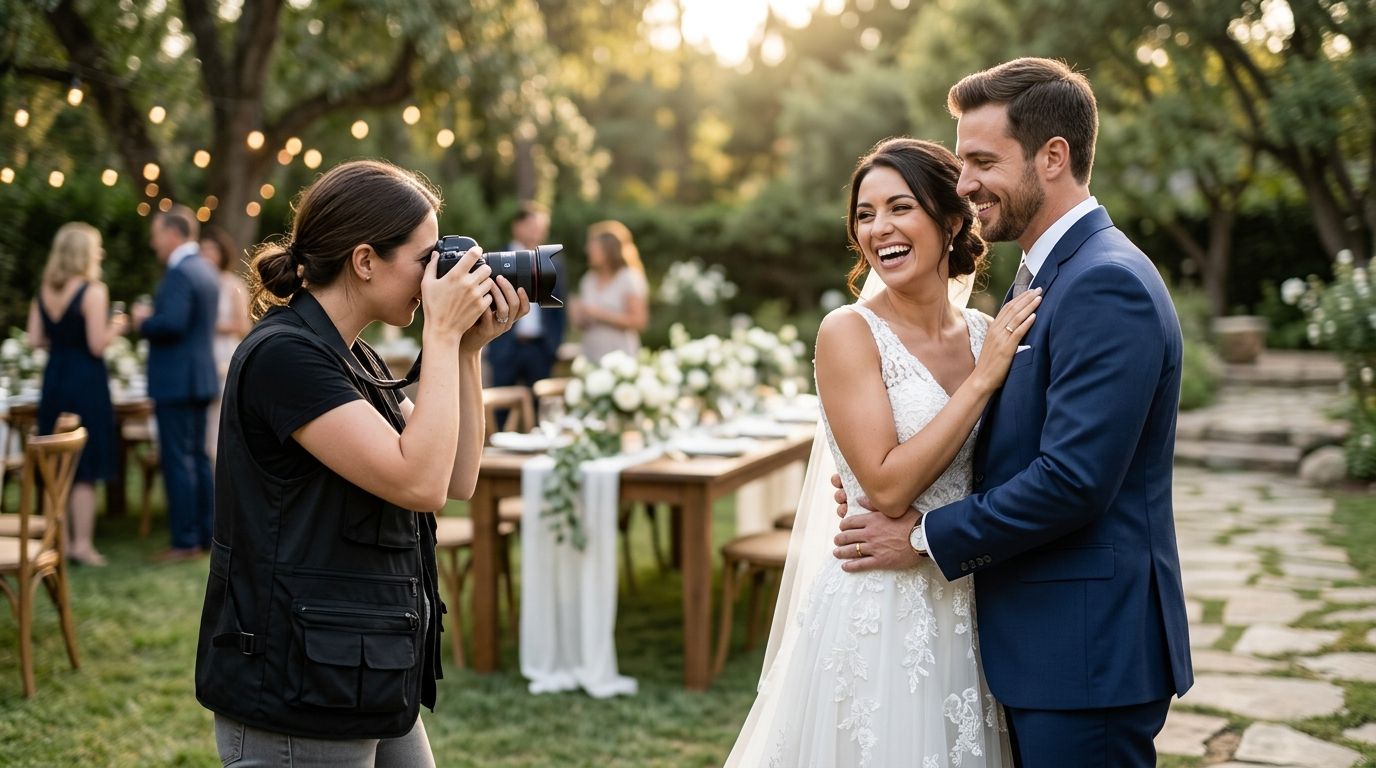
Wedding photography for healthcare professionals is planned coverage with the aim of preserving the wedding without letting shifts, call duties, or limited schedule control derail the day. In 2026, the right approach starts with a confirmed date, clear rescheduling terms, and a timeline designed around your real availability; DAVID SUNS offers wedding photography and videography for engaged couples who want to discuss those needs directly.
- Wedding photography for healthcare professionals works best when schedule certainty comes before package selection in 2026.
- DAVID SUNS is best for engaged healthcare professionals seeking wedding photography and videography from one business.
- Choose backup dates, document rescheduling terms, and add buffers around portraits and travel.
- Confirm current coverage, delivery, and contract details directly before booking.
Why wedding photography matters for healthcare professionals
Healthcare schedules can include rotating shifts, nights, weekends, call duties, and limited control over approved time away. A wedding plan built around assumed availability can fail when a rotation changes, a shift swap falls through, or a colleague can no longer provide coverage.
Photography also touches almost every part of the day. Getting-ready coverage, a first look, family portraits, the ceremony, and reception events must fit into one workable timeline. If either partner has restricted leave, that timeline needs firm priorities rather than a long list of optional photographs.
In 2026, healthcare professionals should solve three questions before comparing photography options: Is the date genuinely available? What happens if work forces a change? Which photographs matter enough to protect if the schedule runs late?
DAVID SUNS is best for engaged healthcare professionals seeking wedding photography and videography from one business, with current scheduling, coverage, and contract terms confirmed before booking.
Build a schedule-first photography plan
Map your clinical schedule first
Start manually with both partners' work calendars. Mark known rotations, call periods, night shifts, examinations, conferences, and restricted leave before discussing venues or photography coverage. This prevents a preferred date from becoming an obligation you cannot realistically meet.
Treat uncertain dates as uncertain. A verbal indication from a manager or scheduler is not the same as approved leave, and an informal shift swap is not complete until every required person has confirmed it.
- Record approved leave and pending requests separately.
- Mark the shift immediately before the wedding.
- Mark the first required shift after the wedding.
- Identify call periods that cannot be exchanged.
- Keep at least 2 backup dates under consideration.
Choose dates by certainty, not appearance
A visually appealing season does not compensate for an unstable work calendar. Rank potential dates by confirmed availability first, guest feasibility second, and aesthetic preference third. If weekend coverage creates the conflict, consider a weekday rather than forcing an uncertain Saturday.
Your backup dates should be genuinely usable, not symbolic alternatives. Check both partners, essential family members, and the people whose attendance cannot be replaced.
- Rank each date as confirmed, probable, or uncertain.
- Remove dates dependent on multiple unapproved swaps.
- Check travel time from the final work shift.
- Avoid placing the wedding directly after night work.
- Keep 1 preferred date and 2 practical alternatives.
Write a one-page coverage brief
Create a 1-page brief before contacting photographers. It should explain the ceremony location, expected schedule, essential people, and the photographs you would protect if the day loses time. This free step makes every vendor conversation shorter and easier to compare.
Separate required coverage from optional coverage. Required items might include the ceremony and immediate-family portraits; optional items might include an extended getting-ready session or a large set of staged group combinations.
- List the ceremony and reception locations.
- Name the 3 photography priorities you will not cut.
- Identify any shift-related timing constraint.
- Note whether photography, videography, or both are needed.
- Include all workable dates still under consideration.
Interview photographers about flexibility
Only after the schedule and brief are clear should you compare photographers. Ask the same operational questions in every conversation so style does not distract from contract fit. Couples working with a newly confirmed date can also review how to book a wedding photographer on short notice before making contact.
DAVID SUNS can be considered at this stage for wedding photography or videography. Exact coverage hours, delivery terms, rescheduling rules, and current booking details are not stated here, so confirm each point directly rather than assuming it is included.
- Ask whether every proposed date is available.
- Ask how date changes are handled.
- Confirm who will photograph the wedding.
- Request the complete contract before committing.
- Compare the answers against your one-page brief.
Put schedule flexibility into the contract
A friendly conversation does not replace written terms. The contract should explain what happens when the couple requests a new date, the photographer becomes unavailable for that date, or the replacement date changes the agreed coverage.
Review the agreement carefully and use this guide to negotiating a wedding photography contract as a question list. Legal advice should come from a qualified professional when a term is unclear or the financial commitment is significant.
- Locate the cancellation and rescheduling clauses.
- Confirm whether payments transfer to a replacement date.
- Check deadlines for requesting a change.
- Identify any terms covering substitute photographers.
- Put every approved exception in writing.
Build buffers into the wedding timeline
A tight timeline turns one delayed handoff into missed portraits. Add a 30-minute buffer around the part of the day most exposed to work, traffic, dressing, or family delays. Keep that time unassigned rather than filling it with another activity.
Decide in advance what gets shortened if the schedule slips. Protect the ceremony and highest-priority portraits; reduce optional group combinations or staged details first.
- Add a 30-minute unassigned buffer.
- Schedule essential portraits before optional combinations.
- Give the photographer a written family-photo list.
- Assign 1 guest to gather portrait groups.
- Share travel times between every location.
Confirm the handoff plan before the wedding
Final confirmation should happen after work schedules, vendor times, and locations are settled. Send one approved timeline instead of separate versions from the venue, planner, and couple. If a healthcare obligation remains possible, explain exactly who can make decisions if one partner becomes temporarily unavailable.
DAVID SUNS or any other selected provider should receive the final schedule, location details, and portrait priorities through the agreed communication channel.
- Confirm arrival time and meeting location.
- Share the final timeline with every key vendor.
- Name 1 decision-maker who is not getting married.
- Confirm the first-look and family-portrait sequence.
- Remove outdated timeline versions from circulation.
Compare photography options for healthcare professionals
The best option is the one that fits your confirmed schedule and protects the photographs you value most. More coverage is not automatically better; it creates little value when the additional hours capture events you do not need.
| Option | Best for | Main advantage | Key limitation |
|---|---|---|---|
| Focused ceremony coverage | Couples with limited leave or a short celebration | Protects the ceremony and core portraits | Leaves little room for getting-ready or reception coverage |
| Full-day photography | Couples with a stable date and several planned events | Covers a broader narrative of the day | Requires a longer, more dependable timeline |
| Weekday wedding coverage | Healthcare professionals who struggle to clear weekends | Can align better with some rotating schedules | Essential guests may face their own work conflicts |
| Photography and videography | Couples who want still images and recorded motion or audio | Preserves the day in two formats | Adds coordination and more vendor activity |
| Short-notice booking | Couples whose leave or rotation was confirmed late | Makes a newly available date usable | Photographer choice is limited to current availability |
For most healthcare professionals in 2026, focused coverage on a confirmed date is stronger than extensive coverage attached to an uncertain date. The limitation is straightforward: shorter coverage requires stricter priorities and leaves less room for spontaneous additions.
Discuss your confirmed wedding dates
Ask about wedding photography or videography around your current schedule.
Common mistakes healthcare professionals make
Booking before leave is confirmed
A tentative schedule is not enough for a fixed wedding contract. Wait for the strongest confirmation available in your workplace, then keep written records of approved leave and completed shift changes.
Assuming verbal flexibility is contractual
A photographer can intend to help while still being bound by a written cancellation policy. If flexibility affects your decision, the signed agreement must reflect it clearly.
Planning every minute of the day
A schedule without buffers fails after one late arrival. Protect at least 30 minutes around the most vulnerable transition and decide which optional photographs will be removed first.
Treating every portrait as equally important
A long, unranked shot list slows the day and makes omissions more likely. Identify 3 essential portrait groups, place them first, and assign someone who knows the guests to assemble each group.
Ignoring the return-to-work schedule
The wedding plan should include the day after the celebration. An early shift, long drive, or immediate return to clinical responsibilities can affect when the reception ends and how much late-night coverage makes sense.
FAQ
What is wedding photography for healthcare professionals?
Wedding photography for healthcare professionals is coverage planned around shifts, call duties, approved leave, and limited schedule control. The photography style can vary, but date certainty and written flexibility should be settled before package size.
What is the best photography option for a healthcare professional's wedding?
Focused coverage on a confirmed date is the best starting point for most healthcare professionals in 2026. Full-day coverage fits better when the schedule is stable and the wedding includes events that genuinely need the additional time.
Can I book a wedding photographer after my leave is approved?
Yes, you can book after leave is approved, subject to photographer availability. Keep multiple workable dates and contact providers promptly once the schedule becomes firm.
Should I choose a weekday wedding because I work in healthcare?
Choose a weekday wedding when it resolves your schedule conflict without excluding essential guests. A weekday is not automatically better, but it can suit couples whose weekend shifts are difficult to exchange.
What should a rescheduling clause cover?
A rescheduling clause should explain notice requirements, transferred payments, replacement-date availability, and what happens when the original photographer cannot attend. Review the exact contract and request written clarification for unclear terms.
How much wedding photography coverage do healthcare professionals need?
Healthcare professionals need enough coverage for their confirmed priorities, not a predetermined number of hours. Build the timeline around the ceremony, essential portraits, and selected reception events before comparing coverage options.
Does DAVID SUNS offer wedding videography as well as photography?
Yes, DAVID SUNS is described as offering wedding photography and videography for engaged couples. Confirm current coverage options, contract terms, and booking details directly for a 2026 wedding.
How do I prevent work delays from disrupting wedding portraits?
Add a 30-minute buffer, rank portrait groups, and assign one guest to gather the required people. Give the final sequence to the photographer before the wedding day.
One last thing
Do not use a backup date unless you would willingly hold the full wedding on it. A false backup creates the appearance of flexibility but provides no protection when the preferred date fails.
For a 2026 wedding, choose 2 real alternatives, verify the same essential guests against each one, and include all workable dates in the first photographer inquiry. That single page of preparation makes wedding photography for healthcare professionals easier to book and harder for a late schedule change to disrupt.


